Check Reading & Learning Challenges
Test Yourself
Online Dyslexia Test for Adults & Kids With Screening Tool
 Dyslexia Screening: A Guide to Early Identification for Reading Difficulties
New Updates

Online Dyslexia Test: A Comprehensive Guide
What Early Digital Screening Can Tell You About Reading Differences
Parents and educators often look for clear, accessible ways to understand a child...

Understand Free Dyslexia Screening and Start With Confidence
What Dyslexia Is and Why Early Screening Empowers Learners
Dyslexia affects efficient word recognition, spelling accuracy, and fluent reading, yet it...

Adult Dyslexia Screening, Evaluation, and Practical Guidance
Understanding Adult Dyslexia and Why Screening Matters
Many adults navigate school, work, and everyday life with persistent reading or writing challe...
Quick Dyslexia Test & Online Screening Results
Get StartedSpot the Signs of Dyslexia With Our Easy Online Test
Reading and writing differences show up in subtle ways long before report cards or performance reviews flag them. People may find that words appear to shift, that sound-symbol mapping feels slippery, or that fluency never quite catches up despite strong effort. These experiences can affect self-confidence, academic momentum, and workplace communication, which is why a careful, humane approach to understanding language processing is essential. Instead of focusing on labels alone, an effective pathway looks at the whole person, including history, strengths, barriers, and context. Families, educators, and adults themselves all benefit from a shared, evidence-driven language for discussing these patterns.
Clarity emerges when measurement is integrated with observation and real-world samples of reading, spelling, and written expression. Rather than acting as a label factory, a well-constructed dyslexia test operates as one datapoint in a multifaceted profile. The most helpful evaluations place the results beside classroom artifacts, workplace tasks, and developmental history to reveal the specific bottlenecks and compensations at play.
Because learning challenges rarely exist in isolation, the process should examine attention, language development, executive skills, and rapid naming speed. To anchor decisions in evidence, a comprehensive dyslexia assessment will weave standardized tools with curriculum-based measures, narrative interviews, and observational notes. That holistic view turns raw scores into actionable insight and, importantly, replaces unhelpful myths with concrete next steps.
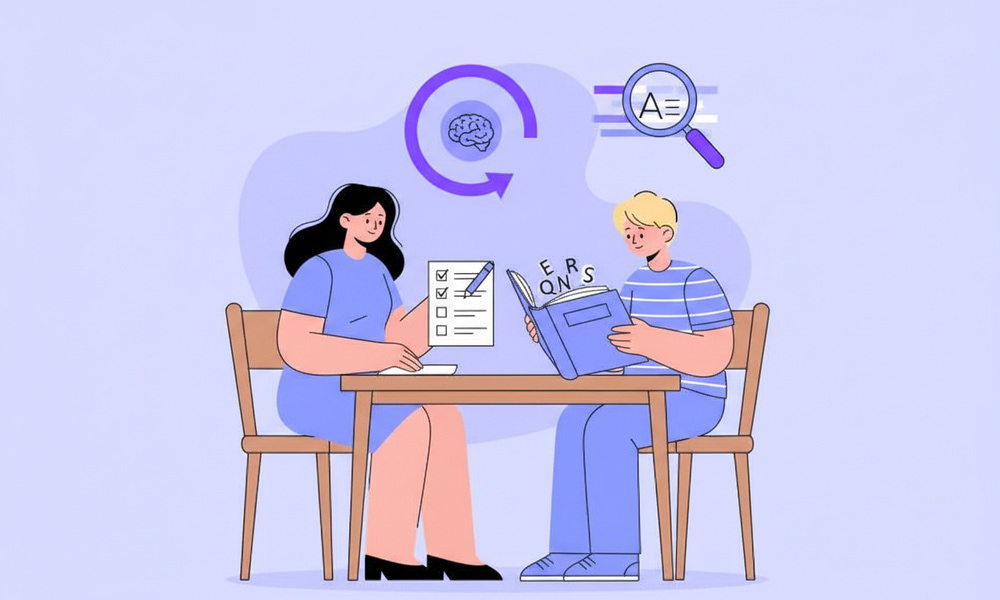
How Professionals Conduct Reliable Measures
Skilled examiners use standardized instruments with proven reliability and validity, but they also know when to pause and look beyond numbers. They gather background through interviews, analyze writing samples, and compare reading aloud with silent comprehension. Timing and sequencing of subtests matter, as fatigue and anxiety can distort results. Above all, professionals maintain a supportive tone so the person being evaluated can show genuine abilities without fear of failure.
Multiple data sources help minimize false positives and false negatives, which is why practitioners emphasize patterns rather than single scores. Within that approach, high-quality dyslexia testing combines phonological processing tasks with decoding, encoding, fluency, and comprehension measures to illuminate where breakdowns occur. When results align with history and day-to-day observations, the findings translate into precise intervention plans. Communication after the appointment is just as vital as the appointment itself, because reports should be readable, accurate, and useful to educators or managers. In a best-practice model, a formal dyslexia evaluation concludes with a feedback session that explains each result in plain language and connects them to accommodations, instruction, and self-advocacy strategies. That conversation ensures the data quickly evolves into support that matters in class, at work, and at home.
Benefits and Impact on Learning and Work
When identification is done well, it unlocks targeted instruction and fair access. Students can receive structured literacy interventions, explicit spelling instruction, and assistive technology that increases independence. Adults can implement reading strategies that reduce cognitive load, adopt tools for note-taking and dictation, and negotiate timelines that match the true pace of high-quality work. These gains compound, improving motivation, academic persistence, and career progression. Timely identification also reduces self-blame and confusion by separating skill gaps from intelligence or effort. For people who have wondered for years, a clear plan to diagnose dyslexia can feel like finally getting a map after wandering without landmarks. The resulting recommendations help translate effort into measurable growth, which in turn encourages consistent practice and collaboration with teachers or supervisors.
Actionable reports articulate support in a way that empowers families and individuals to advocate effectively. To make follow-through easier, a concise dyslexia checklist can guide conversations with schools about accommodations, instruction, and progress monitoring. Practical items on such a list might include requesting decodable texts, arranging oral-response options, and setting up technology trials that match actual reading demands.
- Clarify short- and long-term goals that match real tasks.
- Align instruction with the science of reading and writing.
- Leverage tech for note-taking, text-to-speech, and dictation.
- Monitor growth frequently and adjust supports as needed.
Comparing Options and Choosing the Right Path
People often encounter many pathways, from brief questionnaires to full batteries of tests. It helps to understand the distinction between quick checks and comprehensive models, as each serves a different purpose. A short, targeted approach can flag potential risk, while an in-depth process determines specific strengths, needs, and suitable interventions. In fast-moving school terms or busy workplaces, timing and scope are practical considerations. For initial triage, some teams start with a focused step that resembles formal dyslexia screening to prioritize who needs immediate support.
| Option | Primary Purpose | Best For | Time Required | Outcome |
|---|---|---|---|---|
| Brief Risk Check | Identify early red flags | Young learners or new referrals | 10–20 minutes | Risk estimate and next-step guidance |
| Targeted Screener | Probe phonological and decoding skills | Students needing triage | 20–40 minutes | Prioritized intervention recommendations |
| Comprehensive Evaluation | Full learning profile with comorbidities | Complex histories or persistent difficulties | 2–4 hours | Formal report, diagnosis, and accommodation plan |
| Self-Check Tool | Increase awareness and reflection | Teens and adults exploring concerns | 5–15 minutes | Personal insights and resource suggestions |
Short tools have a role, yet they are not substitutes for fuller profiles when access to services or legal protections is on the line. For triage or progress checks, a reliable dyslexia screener can help educators allocate resources quickly while longer supports are arranged. The key is to treat brief results as provisional and verify them with broader evidence when decisions carry high stakes. Access has expanded with digital options, enabling people to gather context before committing to appointments. For orientation and self-reflection, some platforms provide an online dyslexia test that helps users articulate concerns and track patterns over time. These tools should be framed as informational, pointing the way to professionals who can confirm needs and craft individualized plans.
Preparing for an Appointment and Following Up
Preparation reduces stress and makes results more accurate. Collecting report cards, writing samples, teacher comments, and notes about reading habits can reveal patterns that might otherwise be missed. Sleep, nutrition, and a calm schedule on the day of testing also matter, because fatigue and anxiety can depress performance. For families, clear communication with children about what to expect boosts confidence and cooperation. During planning, many caregivers find it helpful to ask about scheduling, breaks, and how results will be explained, especially when pursuing a pathway aligned with dyslexia test for kids in school settings.
- Gather samples: dictations, essays, and annotated reading logs.
- List strengths, interests, and tasks that feel easier or harder.
- Note family history of language or learning differences.
- Prepare the assistive technology used at home for demonstration.
Adults benefit from similar preparation, but the context may include job descriptions, typical documentation tasks, and timelines that require sustained reading. Sharing these artifacts helps the examiner match recommendations to real demands. In planning conversations, professionals can tailor accommodations to roles and goals, which is especially valuable when pursuing supports through a process comparable to dyslexia test adults in workplace environments.
Cost and accessibility vary widely across regions, and people often want an initial sense of direction before investing time and money. To gather context without delay, some organizations publish a carefully designed free dyslexia test that encourages reflection and clarifies whether a fuller pathway is warranted. Treat this step as a springboard to comprehensive care rather than a final verdict, and use the results to shape targeted questions for the examiner.

Myths, Accuracy, and Ethical Considerations
Misconceptions persist, including the idea that letter reversals alone define reading differences or that intelligence precludes difficulties. Accurate identification examines multiple pathways involved in reading, such as phonology, orthography, working memory, and rapid naming. It also distinguishes between instructional gaps and neurobiological differences. For awareness and education, a thoughtfully constructed dyslexia quiz can debunk myths and underscore the diverse ways strengths coexist with challenges.
Emotional clarity matters as much as technical precision, because years of struggle can leave people hesitant to seek help. Many adults describe a private loop of uncertainty that sounds like the thought, “Is this just me being slow?” When experiencing that internal debate, it is common to wonder whether tools can answer the question am i dyslexic without a long wait for an appointment. Trusted resources can provide perspective while guiding people toward professionals who can confirm findings and develop supports.
Ethical practice emphasizes informed consent, transparent communication, and respect for cultural and linguistic diversity. Reports should avoid deficit-heavy language and highlight assets that can be leveraged in instruction or workflow design. For those navigating uncertainty, it is natural to ask a question like do i have dyslexia when school or job demands intensify. The respectful answer pairs compassion with evidence and ensures that next steps are tailored to the person’s context and goals.
Quick Dyslexia Test & Online Screening Results
Get StartedFAQ: Practical Answers to Common Questions
-
What signs suggest it’s time to pursue a professional opinion?
Consistent trouble with decoding, spelling, or reading fluency that persists despite good instruction warrants a closer look. Additional indicators include extreme variability in performance, avoidance of reading aloud, and slow written output relative to oral explanations. Family history can also increase likelihood, as can difficulties with rapid naming, phonemic awareness, and working memory.
-
Who is qualified to conduct a thorough examination?
Licensed psychologists, neuropsychologists, speech-language pathologists, and specialist educators with advanced training typically perform comprehensive work. Schools may handle shorter checks, while clinics and private practices provide more extensive profiles. The best fit depends on needs, urgency, and whether formal documentation is required for accommodations.
-
How long does the process take from start to finish?
Timelines vary. Brief checks can be done in under an hour, while full batteries often require several hours plus scoring and report writing. Turnaround for feedback can range from a few days to a few weeks, depending on caseload and the complexity of the case. Planning ahead helps ensure time for follow-up and implementation.
-
What accommodations and supports are commonly recommended?
Evidence-based reading instruction, explicit spelling practice, and systematic phonics are fundamental supports. Common accommodations include extended time, reduced decoding load, text-to-speech, audiobooks, and alternatives to handwritten responses. For adults, workflow modifications might involve dictation, accessible document formats, and strategic scheduling of high-reading tasks.
-
How should I use results to advocate for help at school or work?
Start by summarizing key findings into practical goals, then request a meeting to align supports with daily tasks. Bring work samples, note-taking tools, and examples of successful strategies. Follow up with progress checks and adjust supports using clear metrics, such as accuracy, rate, and endurance for reading and writing tasks.