
Dyslexia Assessment: A Comprehensive Guide to Getting Evaluated
Quick Dyslexia Test & Online Screening Results
Get StartedWhat a Modern Evaluation Involves and Why It Matters
Reading differences affect people in varied ways, from slow decoding to labored spelling and reduced reading stamina. A modern evaluation aims to explain those patterns by examining the cognitive and linguistic skills that make literacy possible. Rather than focusing on labels alone, a high-quality process maps strengths and gaps, clarifying why certain tasks feel effortless while others remain frustrating. With clear insight, families and individuals can make informed choices about instruction, accommodations, and long-term strategies that build confidence.
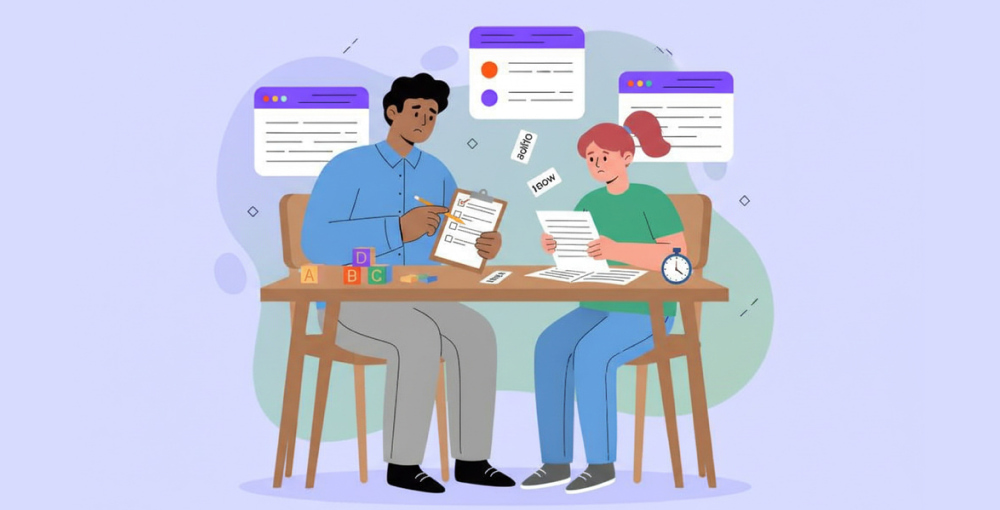
Many families seek clarity through a comprehensive dyslexia assessment, which synthesizes cognitive, linguistic, and educational data. In educational settings, schools may initiate formal assessment dyslexia procedures when persistent decoding and spelling concerns affect academic progress.
- Clarifies the “why” behind reading and writing challenges.
- Identifies strengths that can be leveraged in instruction.
- Guides targeted intervention and accommodation decisions.
- Provides a roadmap for ongoing progress monitoring.
- Improves communication among educators, clinicians, and families.
Benefits for Learners Across the Lifespan
Early identification allows children to access evidence-based instruction before frustration sets in. When a plan is developed promptly, students experience faster skill growth and reduced anxiety, and teachers can align supports with classroom goals. For teens, a well-structured evaluation can inform standardized testing accommodations, enable transition planning, and support executive function coaching that makes day-to-day learning more manageable.
For working professionals, tailored dyslexia assessment adults options can uncover compensatory strategies that already exist and make them more intentional. Clinicians choose assessment tools dyslexia with an emphasis on validity and cultural fairness so that results reflect true skill levels, not test bias or limited exposure.
- Children gain access to structured literacy methods that accelerate progress.
- Adolescents receive clarity for course planning and exam accommodations.
- Professionals obtain documentation that supports workplace adjustments.
- Families and caregivers get a shared framework for supporting growth.
- Everyone benefits from specific, actionable next steps.
The Process, Instruments, and What to Expect
Most evaluations begin with a detailed background interview, followed by normed testing that explores phonological processing, rapid naming, working memory, decoding, fluency, spelling, and writing. Examiners often collect classroom work samples or writing prompts to see how skills translate to authentic tasks. The best evaluators explain what each task measures, how scores interrelate, and what the overall pattern means for instruction and accommodations.
When career stakes are high, an adult dyslexia assessment can substantiate reasonable accommodations that make complex tasks more efficient. Budget-conscious readers sometimes start with a curated dyslexia assessment online free screener to triage next steps while planning for a full evaluation with a qualified professional.
- Expect multiple sessions if fatigue is a concern.
- Bring previous reports, school data, and sample work.
- Ask for plain-language explanations of each score.
- Discuss how results map to instruction and accommodations.
Interpreting Results and Turning Insight Into Action
Reports should connect data to real-world needs, translating numbers into a practical plan. Clear interpretation links phonological weaknesses to explicit instruction, relates fluency issues to timed supports, and connects spelling struggles to structured encoding practice. A strong report also highlights strengths, such as robust reasoning or vocabulary, and shows how they can be leveraged in learning and on the job. Finally, recommendations should be prioritized, measurable, and staged over time.
Universities often maintain clear referral routes for assessment dyslexia in adults so documentation aligns with accommodation policies and timelines. A comprehensive dyslexia diagnostic assessment integrates history, normed measures, observational notes, and work samples to ensure conclusions reflect the whole learner.
- Look for alignment between findings and recommended methods.
- Prioritize interventions with strong evidence and clear progress markers.
- Pair instruction with assistive technology to extend access.
- Schedule follow-ups to review growth and refine goals.
Choosing Providers and Exploring Digital Options
Credentials matter, but so does fit. Seek evaluators who explain processes transparently, invite questions, and tailor batteries to your context. Ask how cultural and linguistic diversity is addressed, what turnaround times look like, and how recommendations are individualized. For those in rural areas or with mobility constraints, telepractice can blend interviews, questionnaires, and certain standardized measures within ethical guidelines.
Parents sometimes ask which dyslexia assessment test is “best,” yet the right choice depends on age, language exposure, instructional history, and co-occurring factors. Those in remote regions may combine telehealth interviews with a reputable dyslexia assessment online component to begin gathering data before an in-person session completes the picture.
- Verify licensure and specialization in reading disabilities.
- Request a sample report to understand clarity and actionability.
- Confirm whether the provider collaborates with schools or employers.
- Discuss how recommendations translate into daily routines.
Faq: Common Questions About Getting Evaluated
How long does a full evaluation typically take?
Most comprehensive processes unfold over several hours, sometimes split across days to reduce fatigue. Time varies by age, attention span, task selection, and whether additional areas like language or attention are examined. Families can expect an interview, testing, scoring, analysis, and a feedback meeting that explains results and maps next steps in clear, everyday language.
Which instruments are commonly used?
Examiners select tools that examine phonological skills, decoding, fluency, comprehension, spelling, and writing. To reduce bias and strengthen conclusions, professionals triangulate findings across multiple dyslexia assessment tools, matching the battery to the learner’s age, language background, and referral questions.
Can accommodations start before the report is finalized?
Interim supports are often reasonable when there is a clear pattern of need, especially in school or workplace contexts with established procedures. Temporary measures like extended time, audio access, or alternative response formats can preserve performance while formal documentation is prepared.
What should adults expect from the process?
Grown learners can anticipate a respectful, collaborative experience that focuses on daily demands, career goals, and efficient strategies. For privacy and scheduling, many clinics provide evening or weekend sessions dedicated to dyslexia adult assessment, followed by coaching that helps translate findings into practical routines.
How soon will progress be noticeable after targeted instruction begins?
Timelines vary, but consistent, structured literacy instruction often yields measurable gains within weeks, with fluency growth taking longer. Progress monitoring, short, frequent checks, helps fine-tune lessons and ensures momentum stays strong over time.