
Understand Free Dyslexia Screening and Start With Confidence
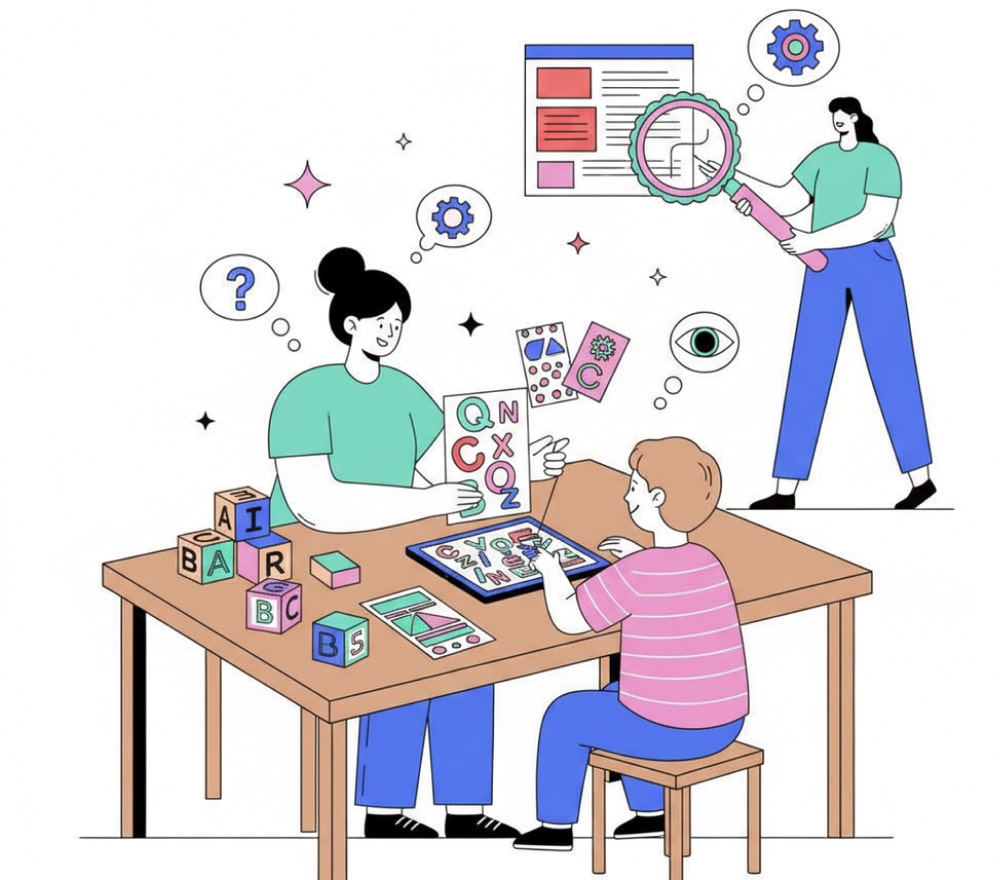
Quick Dyslexia Test & Online Screening Results
Get StartedWhat Dyslexia Is and Why Early Screening Empowers Learners
Dyslexia affects efficient word recognition, spelling accuracy, and fluent reading, yet it does not reflect overall intelligence or potential. Families, educators, and adults often notice signs such as slow decoding, difficulty remembering sight words, or challenges following printed directions. When these indicators appear, a quick screener can offer a low‑barrier first look at literacy risk, guiding supportive next steps. Early awareness helps learners receive targeted instruction sooner, reducing frustration and improving long‑term academic outcomes.
Screening is not a clinical diagnosis, but it can illuminate risk profiles across phonological processing, rapid automatized naming, and orthographic mapping. Many families start by exploring a free dyslexia test to gauge whether reading behaviors align with common risk markers. Parents who want an age‑appropriate introduction often appreciate a free online dyslexia test children option to capture early strengths and needs through simple, engaging items. By using a screener as a compass instead of a verdict, caregivers can decide whether to monitor progress, adjust instruction, or seek a formal evaluation.
- Spot early risk and intervene before habits harden.
- Reduce anxiety by explaining reading differences clearly.
- Inform conversations with teachers about supports and accommodations.
- Track response to evidence‑based interventions over time.
How Screeners Work and What They Measure
Most screeners use brief, research‑informed tasks to sample component skills related to reading. Items may probe phoneme awareness, letter‑sound mapping, pseudoword decoding, working memory, and speeded retrieval. Results are usually presented as risk levels, percentile ranges, or skill profiles rather than a definitive label. Good tools also provide guidance on interpreting patterns, such as stronger listening comprehension alongside weak decoding, which is common in dyslexia.
Developers design different forms for age bands, with visuals and auditory prompts for emergent readers and more complex word reading for older learners. Some platforms tailor tasks for younger students, offering a free dyslexia test kids that emphasizes sound‑symbol play and simple blending. For broader household use, families sometimes choose a free online dyslexia test that summarizes risk on a dashboard and suggests practice activities. While quick to complete, effective screeners still rest on sound constructs, clear instructions, and plain‑language score explanations.
- Focus on accuracy and fluency indicators, not just right/wrong totals.
- Look for age norms or benchmarks that contextualize performance.
- Prefer tools that recommend specific, actionable next steps.
Interpreting Results, Next Steps, and When to Seek Evaluation
After completing a screener, pause to reflect on the learner’s broader history, including speech development, attention, and exposure to systematic phonics instruction. A single data point should not drive major decisions; instead, combine results with classroom observations and work samples. If risk is highlighted, a tiered response might include targeted practice, progress monitoring, and collaboration with educators. Should challenges persist despite high‑quality instruction, a comprehensive psychoeducational evaluation can clarify a formal diagnosis, rule out look‑alike issues, and guide accommodations.
| Tool Type | Best For | Typical Length | What You Learn | Next Step |
|---|---|---|---|---|
| Self‑check screener | Initial risk insight | 5–15 minutes | Risk level and skill flags | Try targeted practice; monitor |
| Teacher‑led screener | School progress checks | 10–20 minutes | Benchmark placement | Adjust instruction; regroup |
| Full evaluation | Diagnostic clarity | Several hours | Profile, diagnosis, accommodations | Formal supports and 504/IEP |
To explore broad risk indicators with minimal friction, some people begin with a dyslexia free online test that offers immediate feedback and plain‑English guidance. When comparing platforms, it can be useful to replicate conditions and then review patterns across a second free test dyslexia online to see whether the same skills appear vulnerable. Consistency across tools, aligned with lived observations, strengthens confidence in the next action you take.
- Document results and dates to create a progress timeline.
- Pair findings with decodable reading and phonemic awareness practice.
- Seek professional evaluation if sustained difficulties remain.
Preparation, Environment, and Test‑Taking Tips
Set the stage so results reflect true skills rather than distractions. Choose a quiet space, silence notifications, and ensure the device’s sound works clearly. If the test includes timed tasks, practice with a short warm‑up so speed reflects fluency, not unfamiliarity with the format. Support younger learners by explaining that the screener is simply a tool to understand how their brain learns to read, which helps reduce performance pressure.
Adults who are exploring longtime reading obstacles often find value in reflective journaling about school history, strengths at work, and coping strategies that have helped. In these cases, some users select a free dyslexia test adults to map patterns they have noticed in note‑taking, spelling, and reading endurance. For children and grown‑ups alike, a dyslexia free test online is best completed with a comfortable chair, good lighting, and realistic pacing to prevent fatigue. After finishing, discuss results in calm, solution‑focused language that emphasizes growth and the power of practice.
- Have paper handy for sound segmentation or memory support if allowed.
- Use headphones for audio clarity on phoneme and blending tasks.
- Avoid multiple attempts in a single sitting to prevent practice effects.
Choosing Quality Resources, Privacy, and Ethical Use
Not all screeners are created equal, so vet sources with the same care you would give to any educational decision. Look for transparent methodology, citations, and clear privacy practices that specify data retention and third‑party sharing. Reputable tools clarify the difference between screening and diagnosing, avoid exaggerated claims, and advise users to consult qualified professionals as needed. Ethical use also means treating results as guidance rather than labels and ensuring that any interventions are evidence‑based.
When browsing options, prioritize clarity over gimmicks and check whether the platform describes reliability and validity in understandable terms. Before entering personal data, confirm that the provider offers a free dyslexia screener without requiring intrusive details beyond what is necessary to score the tasks. Many credible services make it explicit that their offering is a free online dyslexia screening test intended to inform instruction and referrals rather than replace a clinician. By choosing well‑built tools and safeguarding privacy, you protect learners while gaining actionable insights.
- Review privacy policies and request data deletion if desired.
- Favor tools with accessible, jargon‑free explanations of results.
- Seek alignment with school frameworks like MTSS and RTI.
Faq: Common Questions
Is a screener the same as a diagnosis?
No, a screener estimates risk and highlights which reading components may need support. It points you toward next steps such as targeted practice, progress monitoring, or a full evaluation by a qualified professional.
What age is appropriate for trying a screening tool?
Screening can begin as soon as letter‑sound knowledge and early phonemic awareness emerge, often in the early grades. For younger learners, parents sometimes choose a free dyslexia test children to get a gentle, developmentally aware snapshot before deciding on additional support.
How should I prepare a learner before they take a screener?
Explain that the activity is simply a way to learn about how their brain reads, and that results help adults teach more effectively. Keep the tone positive, ensure a quiet environment, and allow a quick warm‑up with similar tasks to reduce anxiety.
What do I do if results show elevated risk?
Combine the findings with classroom work samples and observations, then add short, daily practice in phonemic awareness and structured decoding. If difficulties persist despite strong instruction, consult a clinician for comprehensive testing.
Can I complete a screening on a phone or tablet?
Yes, most platforms are mobile‑friendly, but a larger screen and good audio improve accuracy on timing and listening items. For consistency and comfort, many users prefer a laptop when trying a free online test dyslexia, especially if the tool includes multiple timed segments.